
Should You Replace Your Old Silver Fillings? A Guide From Your Dentist in The Woodlands
It often comes up during a routine exam. The X-rays are on the screen, and there it is: a silver filling placed decades ago, maybe back in high school. The patient looks at it and asks the obvious question. Should that thing still be in there?
Sometimes the answer is no. Just as often, the filling is doing its job perfectly well and the best thing to do is leave it alone. Dr. Daniel Dernick sees silver fillings of every age and condition at his practice in The Woodlands, and he approaches each one the same way: not by its age or color, but by what’s actually happening to the tooth around it. This guide lays out how that decision works, so you know what to expect when the question comes up.
What Silver Fillings Are Made Of
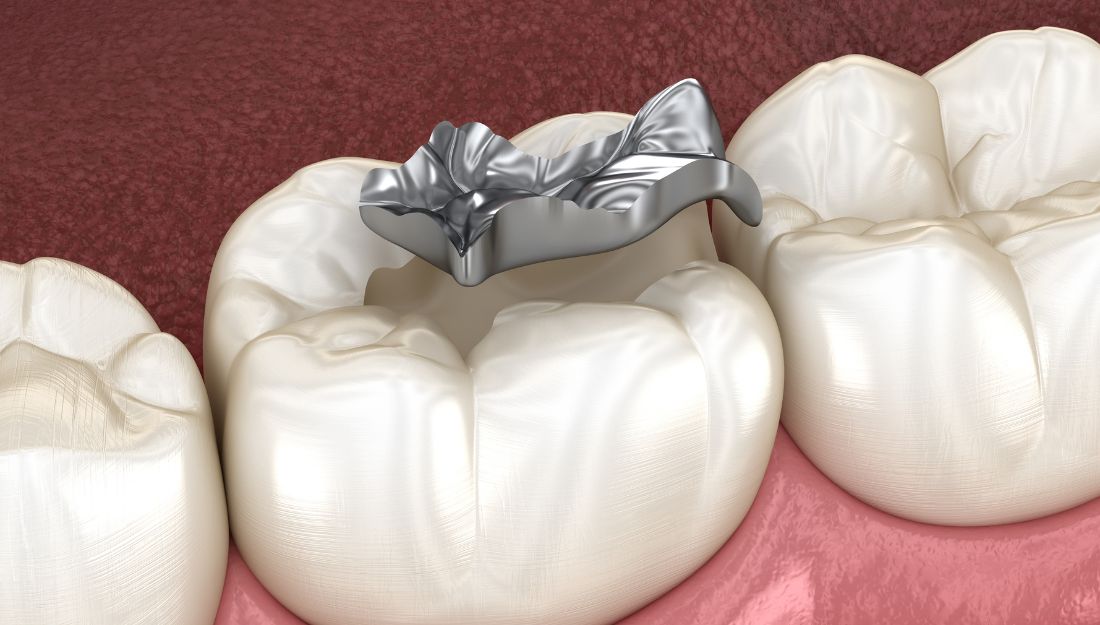
The “silver” filling most adults have is dental amalgam, a mix of mercury with silver, tin, and copper. It was the standard filling material for well over a century because it’s durable, handles heavy chewing forces, and holds up well in the back teeth. Plenty of amalgam fillings last 15 years or more, and some go much longer.
Today, most new fillings are tooth-colored composite resin. Composite bonds directly to the tooth, blends in, and often allows a smaller, more conservative preparation. That shift is part of why people start wondering about the older silver fillings they still have.
What About the Mercury?
This is usually the first concern, so let’s address it directly. Amalgam does release very small amounts of mercury vapor, mostly when fillings are placed, removed, or subjected to heavy grinding. The FDA has reviewed the evidence and recommends that certain higher-risk groups, including pregnant women, nursing mothers, young children, and people with specific health conditions or a known mercury sensitivity, avoid getting new amalgam fillings when a suitable alternative is available.
The FDA does not recommend removing existing amalgam fillings that are in good condition. Drilling out a sound filling releases more vapor than leaving it in place, and it removes healthy tooth structure along with it. For most people, a filling that’s intact and sealed isn’t a reason for concern by itself.
If you fall into one of those higher-risk groups, mention it at your visit. The decision can then take your health history into account alongside the condition of the tooth.
Keep: Signs a Silver Filling Is Doing Its Job
A filling in this category needs nothing beyond the usual monitoring at checkups. Dr. Dernick typically looks for:
- Tight, smooth edges where the filling meets the tooth, with no gaps a dental instrument can catch on
- No signs of decay underneath or beside the filling on X-rays
- No cracks in the surrounding tooth
- No pain, sensitivity, or trouble chewing on that side
Some darkening of the filling surface is normal as amalgam ages. A gray tint showing through the enamel nearby is common too and usually harmless, though some patients want it addressed for cosmetic reasons.
Watch: Fillings That Need a Closer Eye
Some fillings sit in the middle. They aren’t failing, but they’re showing early signs that could turn into something more. Regular exams are especially useful here, because small changes can be tracked over time instead of guessed at.
Fillings in the watch category might have:
- Minor wear or slight roughness along the edges
- Fine surface lines in the enamel nearby that haven’t spread
- A very large size, taking up much of the tooth, even if the filling is currently intact
That last point matters more than people expect. Amalgam doesn’t bond to the tooth. It’s held in place mechanically, and over decades it expands and contracts slightly with hot and cold. In a tooth that’s mostly filling, the thin remaining walls can weaken over time. Watching those teeth lets Dr. Dernick step in before a crack becomes a break.
Replace: When It’s Time
A silver filling usually needs replacing when there’s a clear problem with the filling or the tooth holding it. Common reasons include:
- Recurrent decay. Bacteria can work their way in along worn edges and start a new cavity under or beside the filling.
- A fractured filling or tooth. A piece of the filling breaks off, or part of the tooth cracks away.
- Open margins. Gaps between the filling and the tooth let food and bacteria collect.
- Symptoms. Sensitivity to cold or sweets, pain when biting, or a sharp edge your tongue keeps finding.
In these cases, replacing the filling isn’t about appearance. It’s about stopping damage before the tooth needs more extensive treatment.
What Replacement Usually Looks Like
When an old filling comes out, what goes in depends on how much healthy tooth is left. For a small or moderate area, a tooth-colored composite filling is the most common choice. Because it bonds to the tooth, it can help support the remaining structure.
If the old filling was large or the tooth has cracks, a crown may be the better option. A crown covers and protects the whole chewing surface, holding a weakened tooth together so it can keep functioning for years. Dr. Dernick will explain which approach fits and why before any work begins.
Dentists remove old amalgam using techniques designed to limit exposure, such as strong suction and keeping the area well isolated during the procedure.
What About Replacing for Looks?
Some people want their silver fillings replaced simply because they don’t like how they look, especially fillings that show when they laugh. That’s a reasonable wish. The tradeoff is that removing a sound filling always takes a little more tooth structure with it. For teeth near the front of the smile, many patients feel the cosmetic change is worth it. For a molar no one sees, many decide to wait until the filling needs replacing anyway.
Getting a Clear Answer in The Woodlands
If you have silver fillings and aren’t sure what shape they’re in, the simplest step is a thorough exam with current X-rays. Dr. Daniel Dernick will look at each filling individually and tell you which ones are fine, which ones to keep an eye on, and which ones need attention. You’ll leave with a clear picture instead of a guess. Patients in The Woodlands can schedule a visit anytime to talk it through.