
Missing a Tooth? What Can Happen If You Delay Replacement
Losing a tooth can feel like a small inconvenience, especially if it is not visible when you smile or does not cause immediate discomfort. Many patients delay treatment or assume they can adjust to life without replacing a missing tooth. However, the effects of tooth loss often go far beyond appearance and tend to worsen over time. At Dr. Dernick, patients are often surprised to learn how much a single missing tooth can impact long-term oral health.
Understanding what happens when a tooth is not replaced can help you take proactive steps to protect your smile and overall well-being.
Jawbone Loss and Structural Changes
One of the most significant consequences of tooth loss is jawbone deterioration. Healthy teeth stimulate the jawbone every time you chew. This stimulation signals the body to maintain bone density in that area. When a tooth is lost, the stimulation disappears, and the bone begins to shrink.
This process, called bone resorption, can start within months of tooth loss and continue for years. As the jawbone thins, it may weaken the foundation that supports surrounding teeth. In The Woodlands, TX, patients who delay tooth replacement sometimes require more complex treatment later due to advanced bone loss that could have been minimized with earlier intervention.
Shifting Teeth and Bite Misalignment
Teeth work together as a system. When one tooth is missing, the balance of that system is disrupted. Neighboring teeth can begin to drift toward the empty space, while the opposing tooth may over-erupt in search of contact.
These changes can throw off your bite, leading to uneven pressure when chewing. Over time, misalignment can contribute to worn enamel, cracked teeth, jaw discomfort, and even chronic headaches. What begins as a single missing tooth can eventually affect how your entire mouth functions.
Chewing Limitations and Digestive Impact
Chewing efficiently is essential for proper digestion and nutrition. A missing tooth, particularly a molar, can make it difficult to break down certain foods. Patients may start avoiding healthy foods like raw vegetables, fruits, or lean proteins because they are harder to chew.
Over time, dietary changes can affect digestion and overall health. Many patients in The Woodlands find that restoring a missing tooth helps them eat more comfortably and confidently, supporting better nutrition and quality of life.
Speech and Communication Changes
Teeth play an important role in speech clarity. Certain sounds rely on proper tooth placement, especially those involving airflow and tongue contact. A missing front or side tooth can subtly alter speech patterns, causing whistling or slurring.
These changes may develop gradually, making them easy to dismiss at first. However, speech issues can affect confidence in social and professional situations, particularly when left unaddressed for long periods.
Increased Risk of Gum Disease and Tooth Decay
An open space in the mouth can create new problem areas for oral hygiene. Food particles and plaque tend to accumulate more easily in gaps, increasing the risk of gum inflammation and decay in neighboring teeth.
As gum disease progresses, it can weaken the bone and tissues that support adjacent teeth, raising the likelihood of additional tooth loss. Many patients are unaware that leaving one tooth unreplaced can eventually lead to a chain reaction of oral health issues.
Facial Changes and Premature Aging
Jawbone loss does not just affect oral health. Over time, it can change the structure of the face. Patients may notice their cheeks appearing sunken or their lips losing support. Wrinkles around the mouth can become more pronounced.
These facial changes can make patients appear older than they feel. Replacing missing teeth helps preserve natural facial contours and supports a more youthful appearance.
The Importance of Early Tooth Replacement
Replacing a missing tooth early helps prevent bone loss, maintain alignment, and reduce the risk of future complications. Common replacement options include dental implants, bridges, and partial dentures.
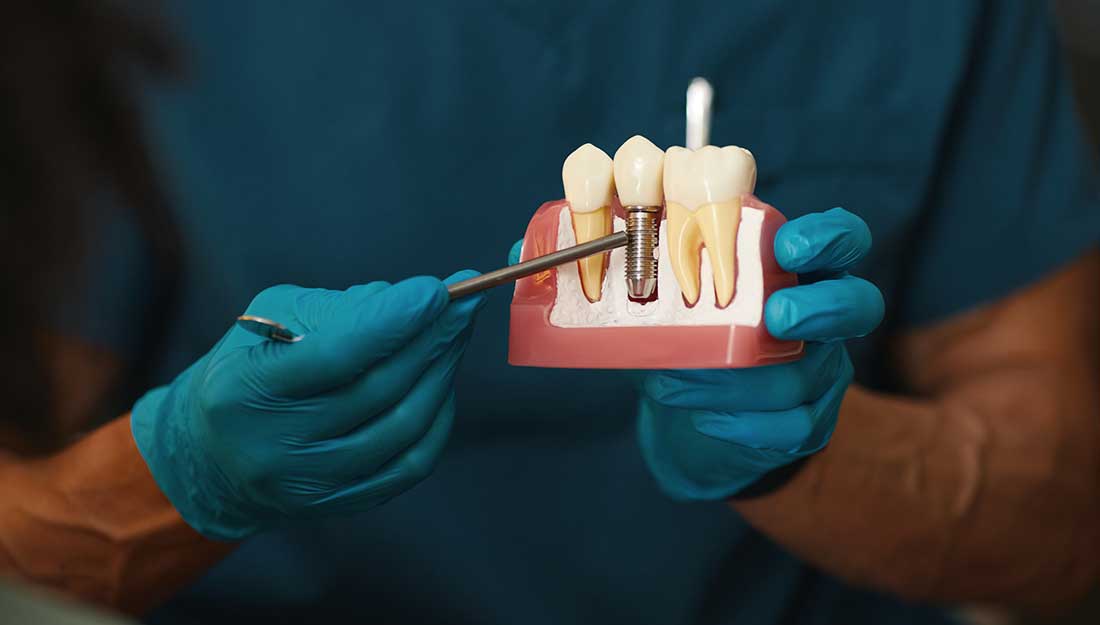
Dental implants are often considered the most comprehensive solution because they replace both the tooth and the root, helping maintain jawbone health. A personalized consultation can help determine the most appropriate option based on your needs.
Final Thoughts
A missing tooth is never just a cosmetic concern. Left untreated, it can lead to bone loss, bite problems, gum disease, and facial changes. Patients in The Woodlands, TX who address tooth loss early often experience better long-term outcomes and fewer complications.
If you are missing a tooth, scheduling a consultation with Dr. Dernick can help you explore your options and protect your oral health for years to come.