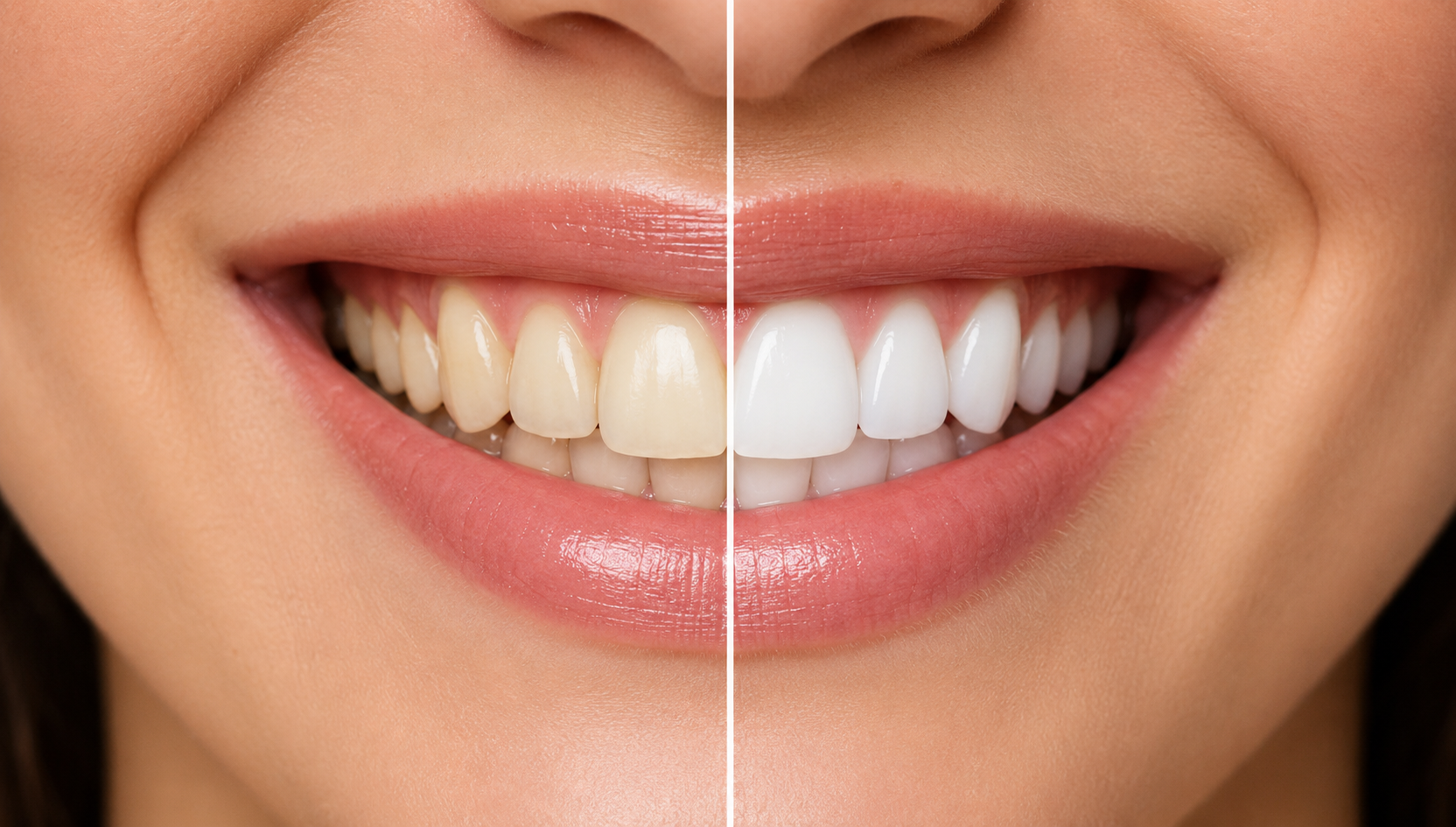

Why Do Teeth Stain? The Truth Behind Discoloration
When a smile starts to look dull or yellow, most people assume the problem is their brushing. It feels logical, but it is rarely the whole story. Tooth discoloration is the result of several different processes, and only some of them have anything to do with how well you clean your teeth. At the office of Dr. Robert Dernick in The Woodlands, understanding why teeth stain is the first step toward knowing what you can improve at home and what may call for professional attention.
Here is what is actually happening when teeth lose their brightness.
The Two Kinds of Tooth Stains
Dental discoloration falls into two broad categories, and the difference matters more than most people realize. Extrinsic stains sit on the outer surface of the enamel. These are the stains that build up from food, drink, and tobacco, and they are the type most people picture when they think of a dull smile. Intrinsic stains form inside the tooth, within the layer called dentin that lies beneath the enamel. Because they originate from within, they cannot be scrubbed away, and they behave very differently from surface stains.
Many smiles show a mix of both. Knowing which type is doing the most work helps explain why one person sees a dramatic change after a cleaning while another notices very little difference.
What Makes a Food or Drink Stain Your Teeth
Surface stains come down to three properties working together. The first is color, from intense natural pigments known as chromogens. The second is tannins, compounds found in coffee, tea, and red wine that help pigments grip the tooth. The third is acid, which softens enamel just enough for color to settle in. Foods and drinks that combine all three, such as red wine and dark colas, are the most likely to leave a lasting mark.
Tobacco deserves a separate mention. The tar and nicotine in cigarettes and other tobacco products produce some of the most stubborn extrinsic stains, often turning teeth deeply yellow or brown over time. Among the most common contributors to surface staining are:
- Coffee, black tea, and red wine
- Dark sodas and many sports drinks
- Tomato-based sauces, curry, and soy sauce
- Deeply colored fruits such as berries and pomegranate
- Tobacco in any form
When Stains Come From Inside the Tooth
Intrinsic discoloration has an entirely different set of causes. Age is a leading one. Over the years, enamel naturally thins, and the yellowish dentin underneath becomes more visible, which is why teeth often look slightly darker later in life. Certain medications taken during childhood, an injury that affects a tooth, or too much fluoride during the years teeth are still forming can all leave color set deep within the tooth. Because these stains live below the surface, no amount of brushing will lift them.
Why Brushing Alone Will Not Always Work
Good oral hygiene is essential, and it does remove the soft film that traps surface stains before they take hold. But brushing cannot reach pigment that has already absorbed into the enamel, and it certainly cannot change discoloration that comes from inside the tooth. Brushing harder is not the solution, either. Aggressive brushing wears down enamel, and thinner enamel actually makes teeth look more yellow by exposing more of the dentin beneath. Gentle, consistent care protects your enamel far better than scrubbing.
Which Stains Can Be Treated, and How
The encouraging news is that most discoloration can be improved once you know its source. Surface stains often respond well to professional cleanings and whitening, which break up and lift pigment from the enamel. Intrinsic stains are more stubborn, since color that originates within the tooth does not respond to whitening the same way, and it sometimes calls for a different approach altogether. The only reliable way to know what is causing your discoloration, and what will genuinely help, is a professional evaluation.
Get to the Root of Discoloration in The Woodlands
A dull smile is not a verdict on your habits, and it is rarely something you simply have to accept. If you have wondered why your teeth look different than they used to, Dr. Robert Dernick in The Woodlands can help you identify the cause and walk you through the options that make sense for your smile. Reach out to schedule a visit and start with answers.