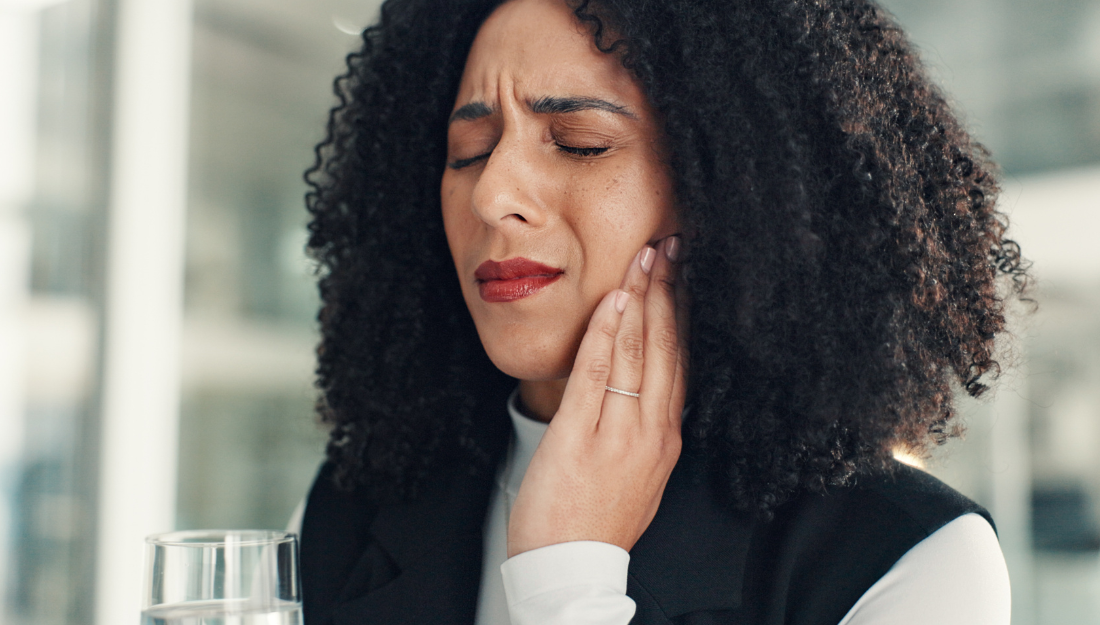

Why Stress Is Destroying Your Teeth Without You Knowing It
Over 77% of Americans regularly experience physical symptoms caused by stress — yet very few would connect their stress levels to the condition of their teeth. The mouth is one of the most stress-reactive systems in the body, and the damage it sustains during prolonged periods of anxiety, overwork, or emotional strain often goes completely unnoticed until it’s advanced. At Daniel Dernick, DDS in The Woodlands, TX, we regularly see patients who are surprised to learn that their dental issues have a direct link to chronic stress. If you’ve been searching for a dentist in The Woodlands, TX, this is the kind of comprehensive, whole-health perspective we bring to every appointment.
The Biology of Stress and Your Smile
When your body is under chronic stress, it produces elevated levels of cortisol — a hormone that, in sustained quantities, is genuinely harmful to oral tissues. Cortisol suppresses immune response, making your gums less capable of defending themselves against bacterial infection. It promotes systemic inflammation, which worsens existing periodontal conditions. And it alters the composition of saliva, reducing both its volume and its protective properties. These biological changes happen silently, without pain or obvious symptoms, which is exactly what makes stress-related oral damage so easy to miss.
Grinding in Your Sleep: More Destructive Than You Think
Bruxism — the clinical term for teeth grinding and jaw clenching — is one of the most direct physical expressions of psychological stress. It occurs most often during sleep, which means many patients have no memory of doing it. The clues show up instead as flattened or chipped tooth edges, worn enamel, increased sensitivity to temperature, morning headaches concentrated at the temples, and chronic jaw fatigue.
Left unaddressed, bruxism causes cumulative damage that becomes increasingly expensive and complex to treat. A custom-fitted night guard from Daniel Dernick, DDS is a simple, effective way to protect enamel and relieve jaw strain while you sleep — one of the most common interventions we recommend for stressed patients here in The Woodlands.
Gum Disease Flare-Ups During High-Stress Periods
Many patients with well-managed gum health notice flare-ups during particularly stressful life events — a job change, a loss, a demanding season at work. This isn’t coincidence. Research published in the Journal of Periodontology confirms a statistically significant relationship between psychological stress and the severity of periodontal disease.
Stress impairs the immune system’s ability to control the bacteria that cause gum infections, allowing inflammation to escalate faster and persist longer. Patients who smoke or have diabetes — both of which are compounded by stress — face even greater risk. If your gums feel tender, look swollen, or bleed during brushing, a stress-related flare-up may be a contributing factor that deserves attention.
The Medication Factor: Dry Mouth and Its Consequences
A significant number of adults managing chronic stress are prescribed medications — for anxiety, depression, high blood pressure, or sleep disorders — that list dry mouth as a side effect. Xerostomia, or chronic dry mouth, dramatically increases the risk of tooth decay and gum disease because saliva plays a critical protective role: it buffers acids, remineralizes enamel, and keeps harmful bacteria from proliferating unchecked.
Patients who notice increased cavities after starting a new medication, persistent bad breath, or difficulty swallowing dry foods should raise this with both their physician and their dentist. At Daniel Dernick, DDS, we help patients in The Woodlands, TX navigate dry mouth management with targeted fluoride therapies and practical daily habits that restore some of what medication takes away.
Neglected Routines: The Behavioral Toll of Stress
Beyond the physiological impact, stress affects oral health through behavior. When people are overwhelmed, brushing becomes rushed, flossing gets skipped, sugary and acidic foods become more appealing as comfort choices, and regular dental appointments fall off the calendar. These behavioral patterns compound the biological damage already in progress — and they’re incredibly common.
Recognizing the pattern is the first step to interrupting it. Even maintaining a two-minute brushing routine twice daily and keeping your regular cleanings can make a meaningful difference in limiting the damage stress inflicts on your smile.
Your Smile Deserves Stress-Aware Care
Chronic stress isn’t going away — but its impact on your teeth doesn’t have to be permanent. With early detection and the right protective strategies, most stress-related dental damage can be caught before it becomes serious.
Daniel Dernick, DDS welcomes patients from across The Woodlands, TX who are looking for a dentist who takes a thorough, whole-health approach to oral care. If you’re overdue for an exam or noticing any of the symptoms described above, contact our office today and let us help you get ahead of the damage before it deepens.